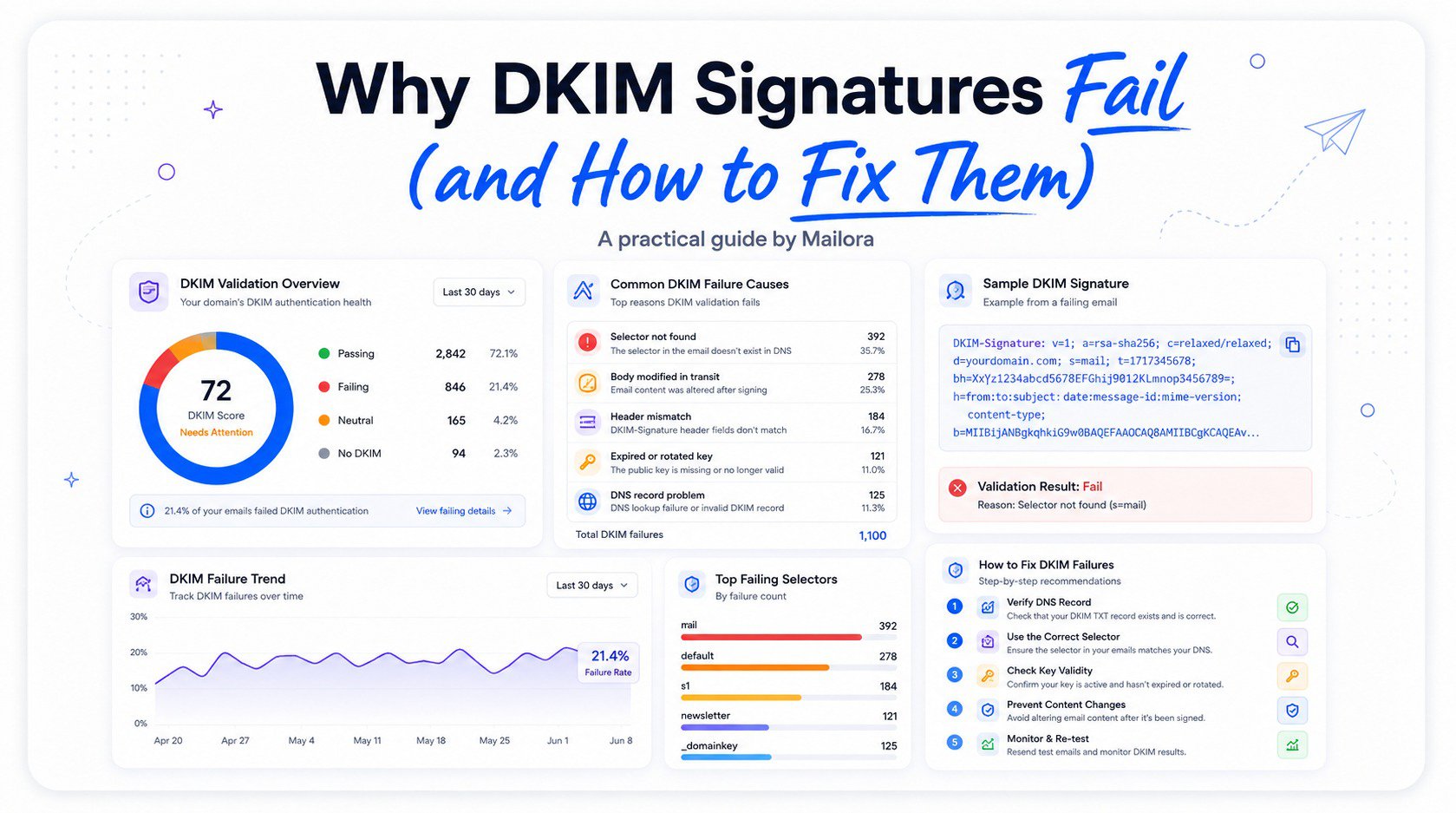
DKIM Failure: Why DKIM Signatures Fail (and How to Fix Them)
DKIM is often described as one of the more reliable authentication protocols, and in a technical sense it is: the cryptographic verification either matches or it doesn't.

DKIM is often described as one of the more reliable authentication protocols, and in a technical sense it is: the cryptographic verification either matches or it doesn't.

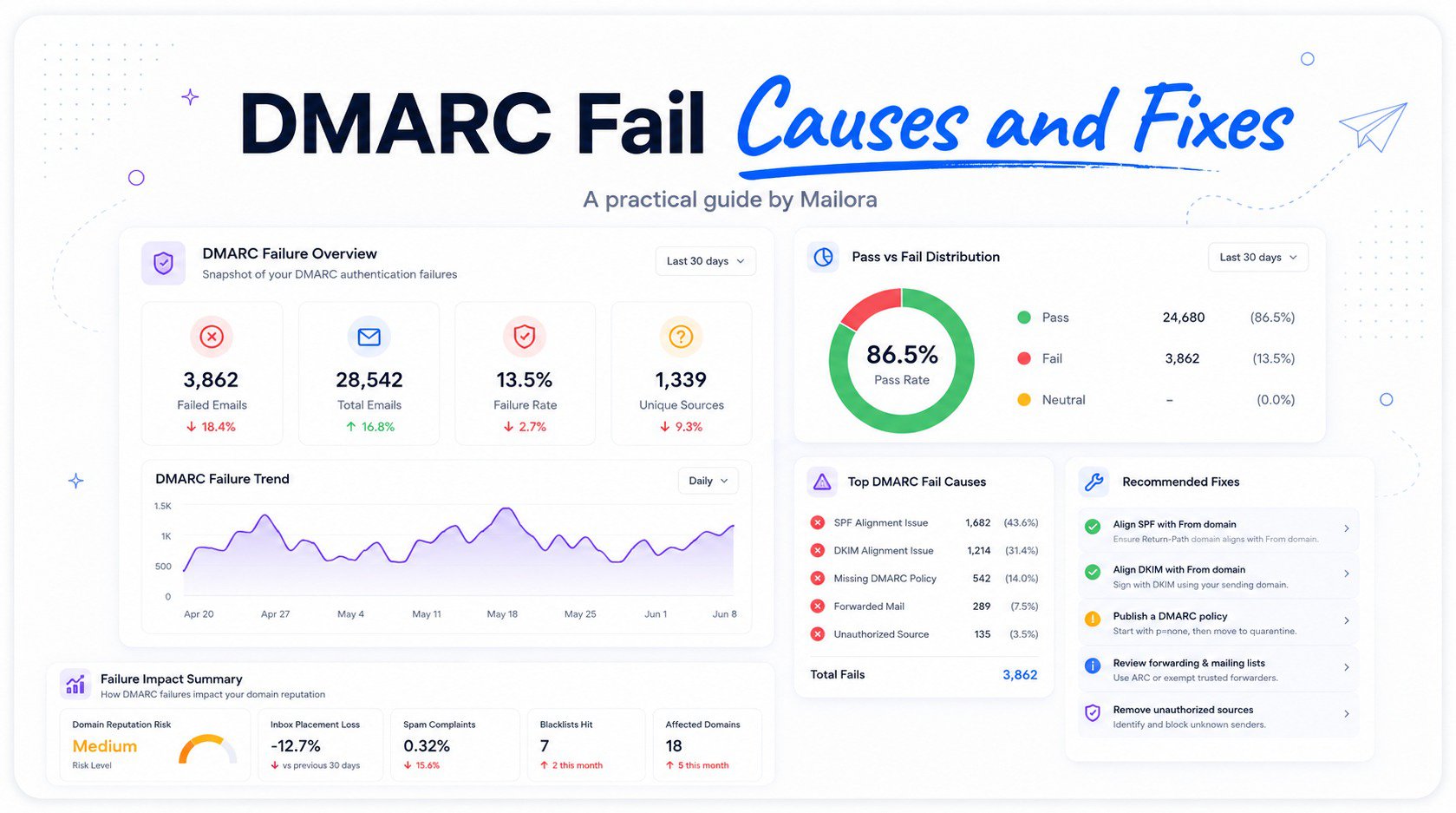
A message can pass SPF. It can pass DKIM. And it can still fail DMARC. This surprises a lot of people setting up DNS authentication for the first time, because it seems to contradict how the three protocols are usually described together.

SPF records look simple enough to write from memory, and that's exactly what causes most of the problems with them.

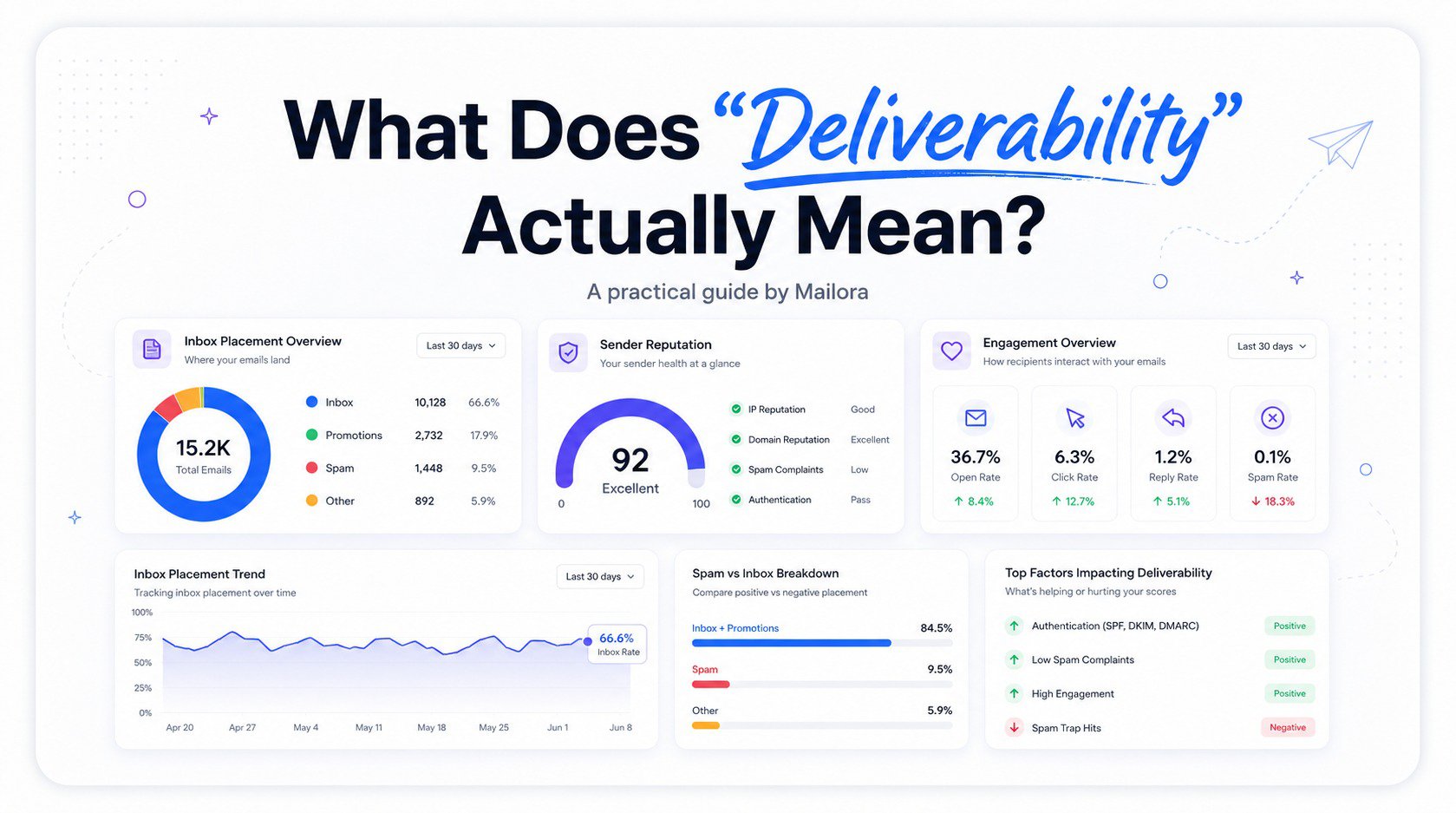
Ask five marketers to explain deliverability meaning and there's a good chance you'll get five slightly different answers. Some will point to delivery rate and email delivery. Others will mention spam folders.

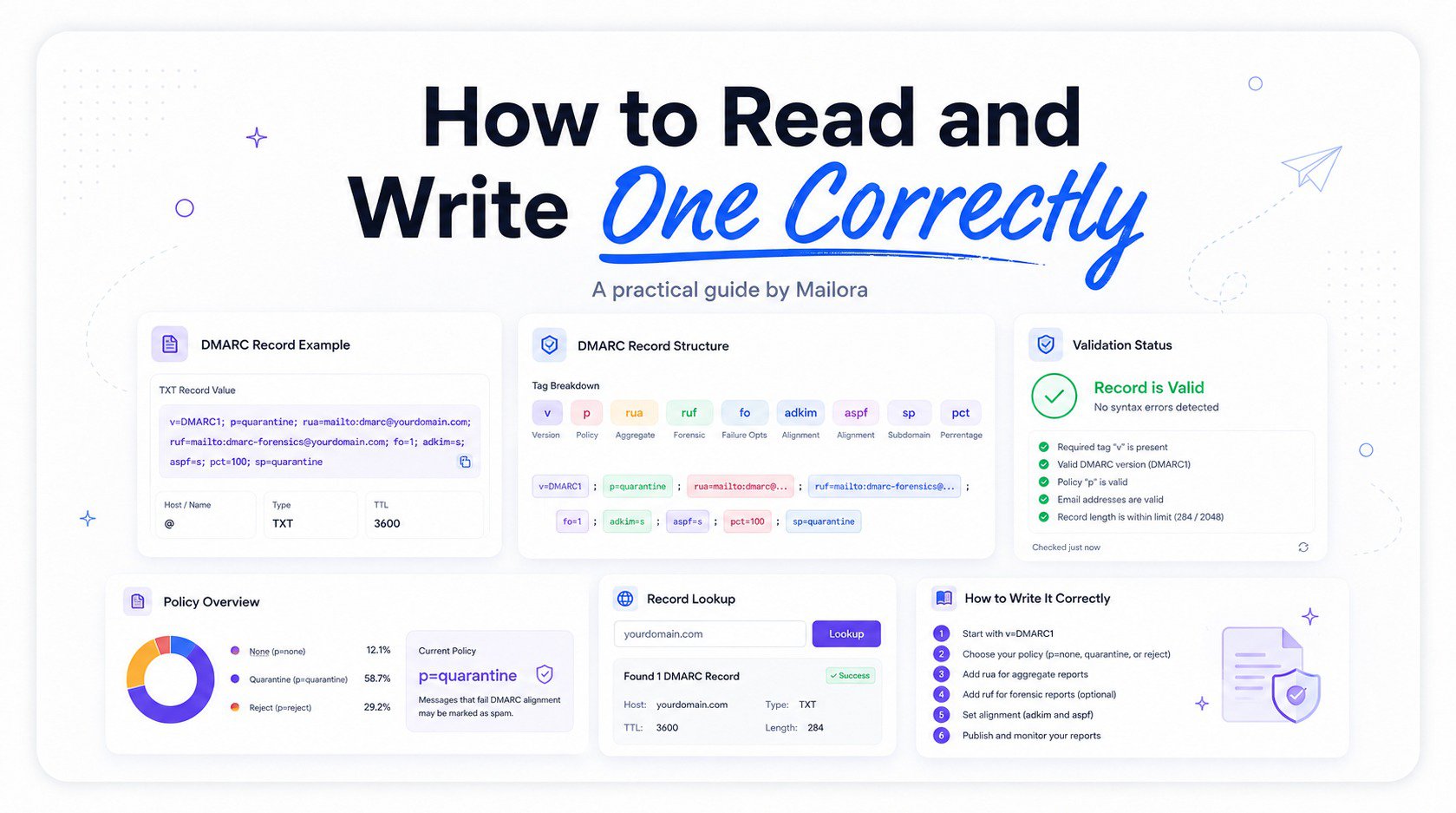
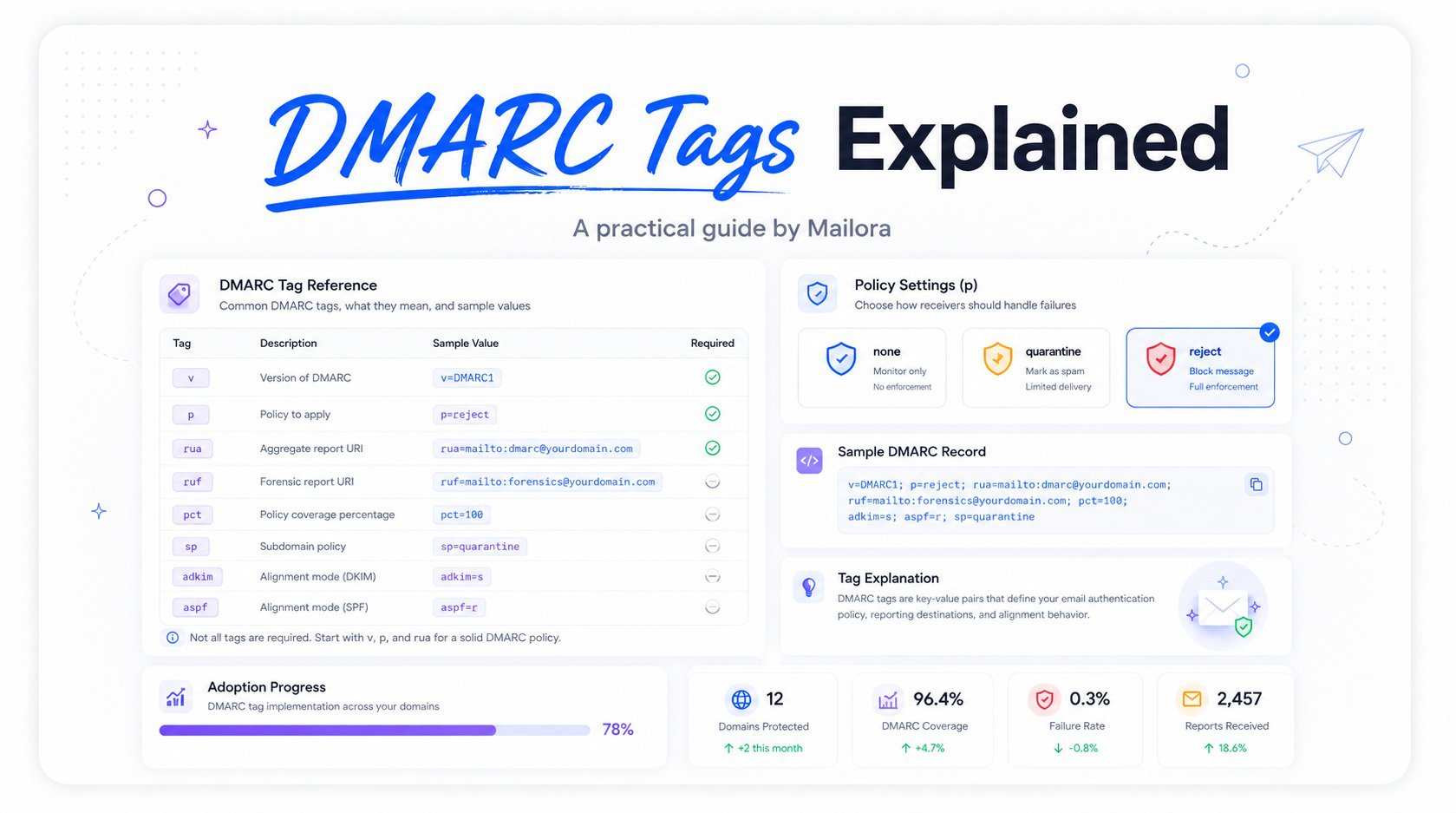
A DMARC record looks deceptively simple: a single line of text published in DNS. But that line is made up of several distinct DMARC tags, each controlling a different piece of behavior, from how strictly failures are enforced to where reporting data gets sent to whether alignment needs to be strict or relaxed.

DKIM2 is the first major redesign of one of email's foundational authentication standards in almost two decades, and it's worth understanding now even though there's nothing urgent to configure yet.

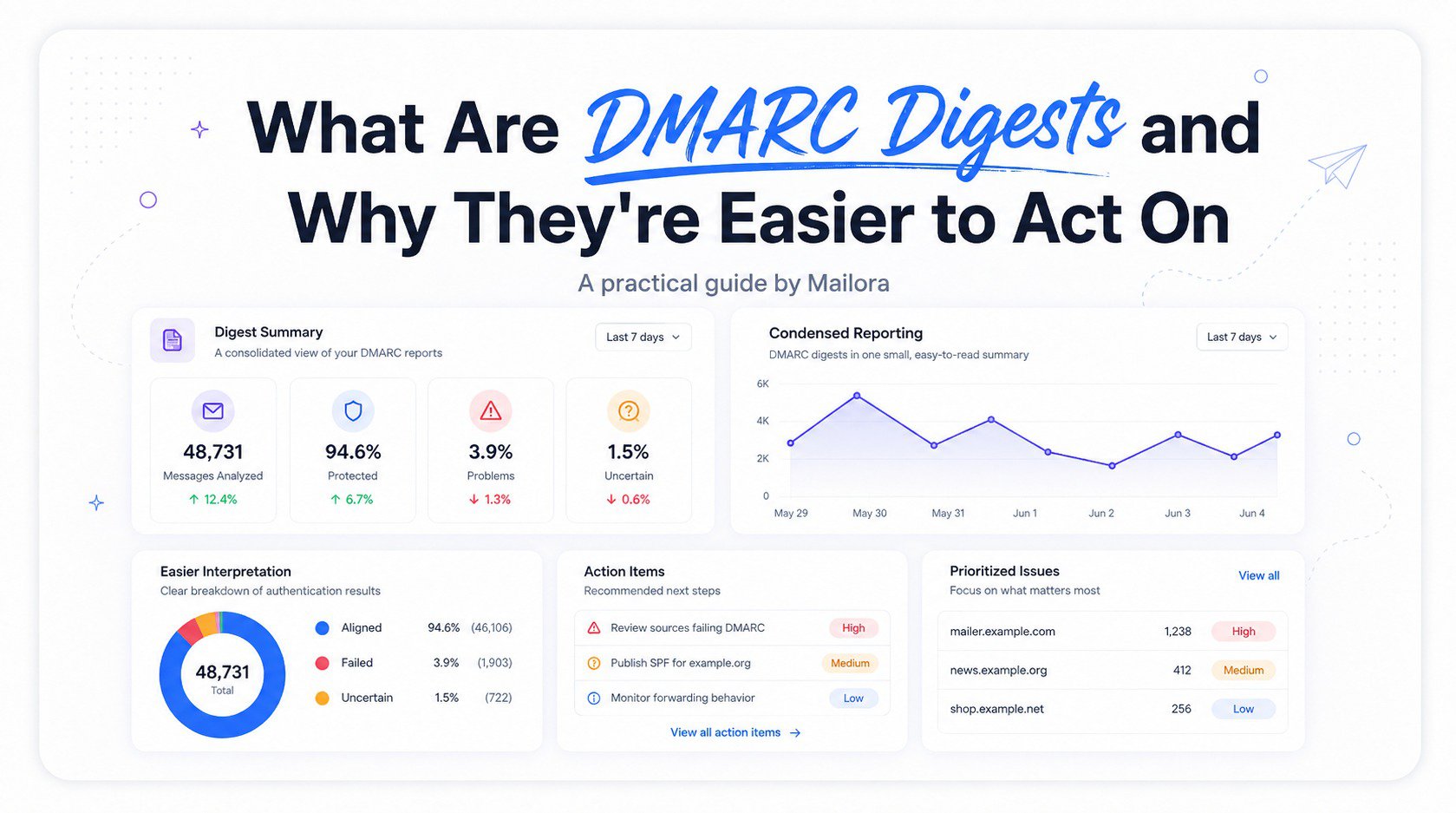
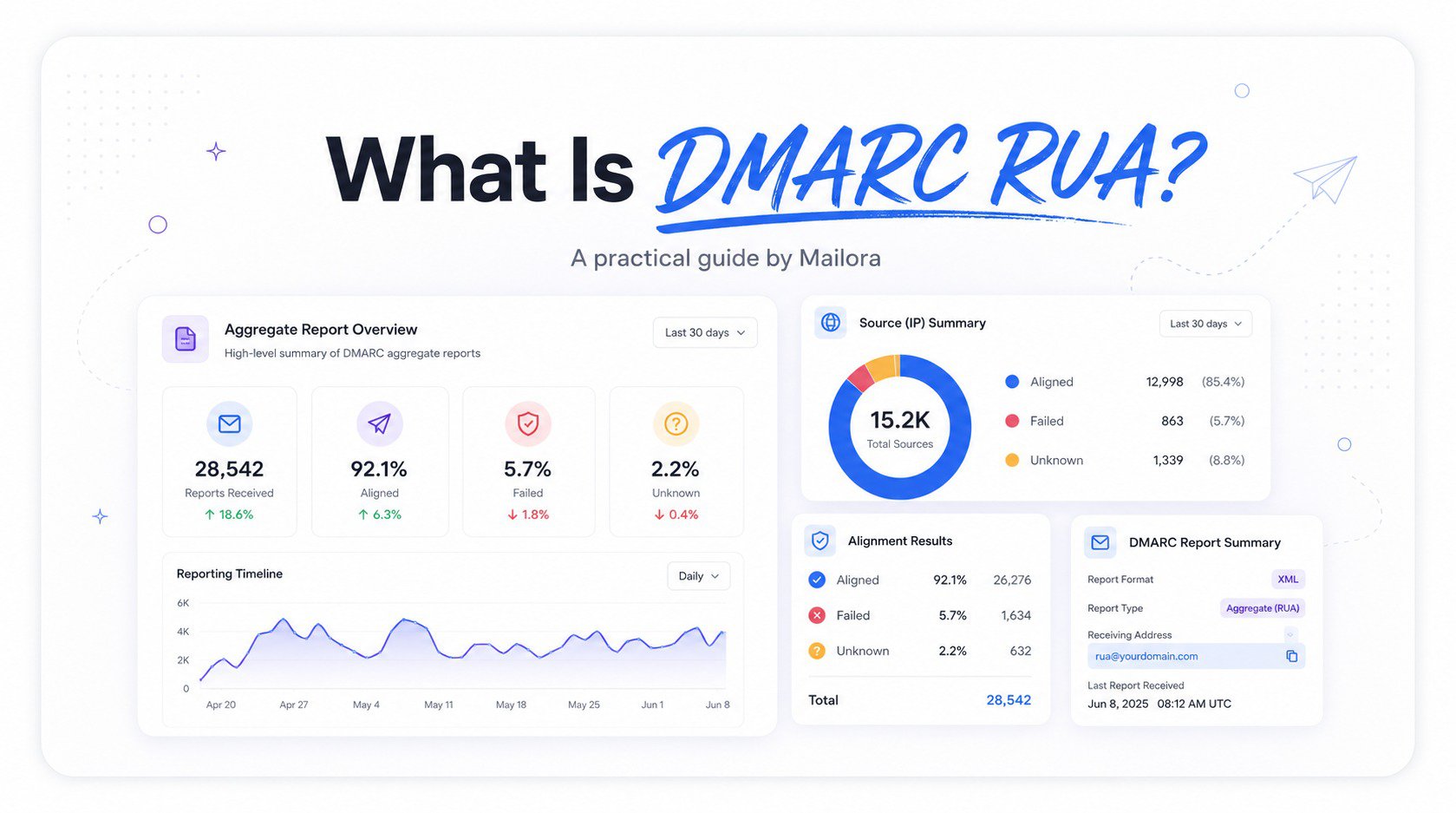
Publish a DMARC record with reporting enabled, and within a day or two, an inbox starts filling up with compressed XML attachments from Google, Microsoft, Yahoo, and dozens of smaller providers.

Most domain owners publish a DMARC record, glance at a green checkmark somewhere, and assume the work is done.
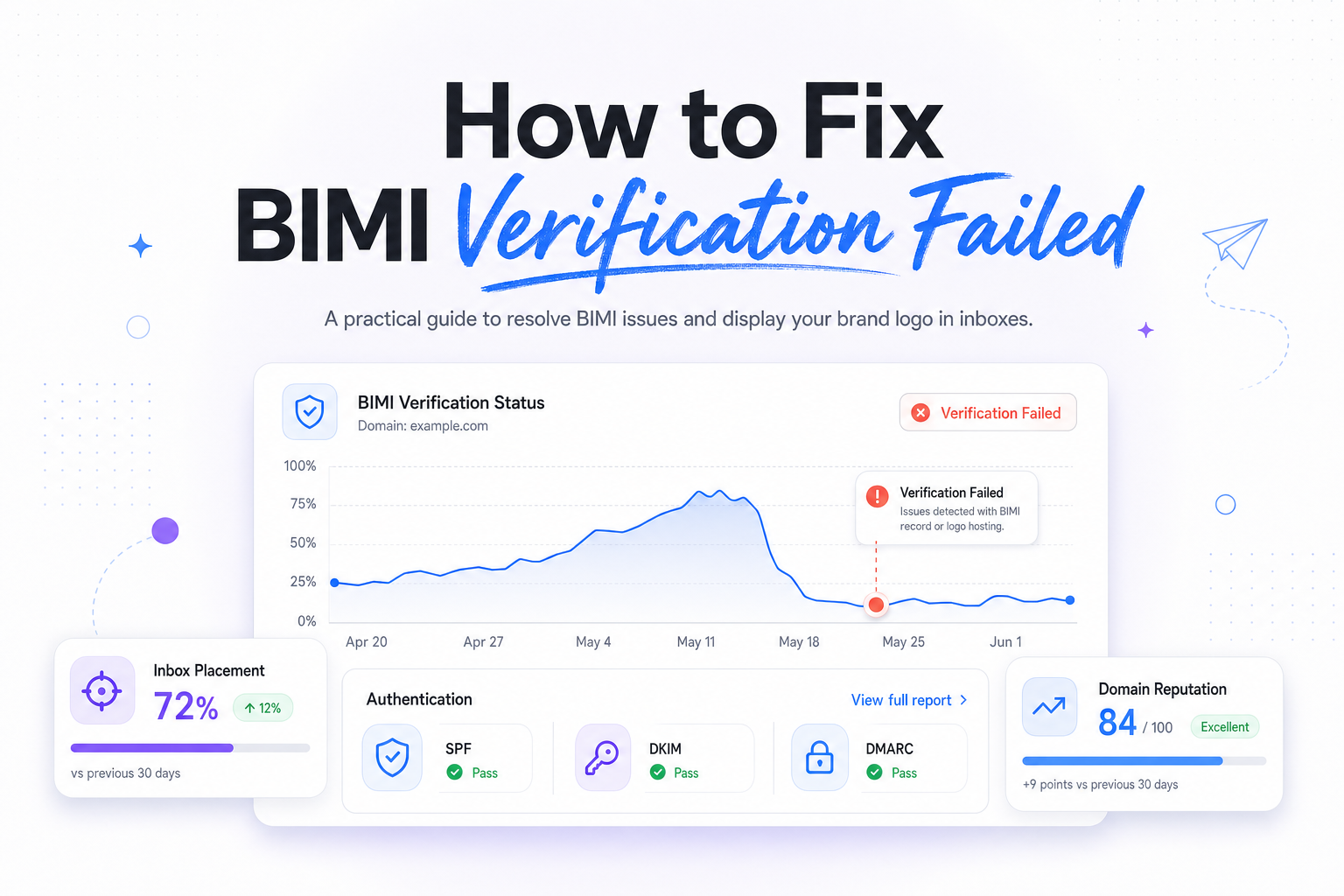
Fix BIMI verification failed by checking DMARC enforcement, DNS syntax, SVG compliance, and certificate matching in the right order.
Deliverability insights, product updates, and early access to new features. No spam, unsubscribe anytime.
By subscribing, you agree to our Privacy Policy. Unsubscribe anytime.